Why Your First Attempts at Meal Prepping Lead to Soggy Vegetables and Wasted Food
Disclosure / Affiliate Notice:
As an Amazon Associate I earn from qualifying purchases. Some links in this article may be affiliate links that earn me a commission at no extra cost to you.
Starting meal prep as a beginner often feels like stepping into an organized person’s dream, only to open containers three days later and find wilted lettuce, soggy carrots, and meals that look nothing like the colorful photos on social media. This common experience happens because moisture management and storage timing work differently than most people expect when they first attempt to prepare multiple meals in advance.
The primary reason vegetables become soggy during meal prep relates to how water moves within plant cells after cutting. When you slice vegetables like cucumbers, tomatoes, or bell peppers, you damage cell walls that normally contain moisture. Over several days in a sealed container, this released water has nowhere to go, creating a humid environment that breaks down the vegetable’s structure and makes everything mushy.
How Temperature Changes Affect Prepared Foods
Temperature fluctuations between your refrigerator and room temperature create condensation inside meal prep containers. Each time you remove a container to check your food or grab something nearby, warm air enters the cold container. When you return it to the refrigerator, this warm air condenses into water droplets that settle on your food. This process repeats every time the container experiences temperature changes, gradually increasing moisture levels.
Cooked grains like rice and quinoa absorb this excess moisture differently than raw vegetables. While vegetables become limp and watery, grains often become sticky and clumped together. The starch in these foods acts like a sponge, soaking up the condensation and creating an unappetizing texture that many beginners mistake for spoilage.
Why Timing Your Food Preparation Matters
Many first-time meal preppers make everything at once on Sunday, expecting all foods to maintain quality equally throughout the week. However, different ingredients have vastly different shelf lives once prepared. Leafy greens typically last two to three days after washing and cutting, while root vegetables like carrots can maintain their texture for up to a week when stored properly.

Proteins present their own timing challenges. Cooked chicken or fish develops different textures and flavors after sitting for several days, even when properly refrigerated. The proteins continue to break down slowly, creating changes that affect both taste and mouthfeel. This explains why your Tuesday lunch tastes different from the same meal eaten on Sunday, even though nothing has spoiled.
Understanding Container Selection and Food Placement
The containers you choose significantly impact how well your prepared meals maintain quality. Shallow, wide containers allow better air circulation than deep, narrow ones, reducing the likelihood of moisture buildup in specific areas. When you pack foods tightly into small containers, you create pockets where air cannot move freely, leading to faster deterioration in those spots.
Layer placement within containers also affects food quality. Placing wet ingredients like tomatoes or dressing directly against dry ingredients like lettuce creates immediate moisture transfer. Heavy items pressed against delicate ones cause physical damage that accelerates spoilage. Understanding these interactions helps explain why some parts of your meal prep succeed while others fail.
How Different Foods React to Advance Preparation
Certain foods actually improve with time when prepared in advance. Marinated proteins develop deeper flavors as acids and seasonings penetrate the meat. Grain-based salads often taste better after a day because the flavors have time to meld together. However, these same time benefits work against foods with high water content or delicate structures.
Fruits present particular challenges for beginners because they continue ripening after preparation. Apples brown when exposed to air, bananas release gases that affect nearby foods, and berries release juice that can make other ingredients soggy. These natural processes continue even in refrigerated environments, though at slower rates.
Paper towels placed strategically inside containers can absorb excess moisture that would otherwise make vegetables soggy.

Learning to Separate Wet and Dry Components
Successful meal prep often requires keeping certain components separate until serving time. Dressings, sauces, and high-moisture ingredients should remain in separate small containers or compartments. This separation prevents the moisture migration that causes most texture problems in prepared meals.
A short observation: Small preparation mistakes often compound over several days, turning minor issues into major disappointments.
Even simple changes like storing cut vegetables in breathable containers rather than airtight ones can dramatically improve results. Understanding these principles helps beginners move beyond the trial-and-error phase more quickly.
Building Realistic Expectations for Your First Attempts
Beginning meal preppers often expect restaurant-quality results from day one, but meal prep requires different techniques than regular cooking. Foods prepared for immediate consumption can rely on serving temperature, fresh textures, and just-mixed combinations. Meal prep success depends on choosing ingredients and preparation methods that actually improve or maintain quality over time.
Learning which foods work well for advance preparation and which should be added fresh takes practice. Most successful meal preppers develop a repertoire of reliable combinations through experimentation, gradually expanding their options as they understand how different ingredients behave over time.
Your first meal prep attempts serve as valuable learning experiences rather than failures. Each soggy vegetable or separated sauce teaches you something about moisture management, storage techniques, or timing that improves your next batch. Understanding these common challenges helps you approach meal prep with realistic expectations and practical strategies for success.
As an Amazon Associate I earn from qualifying purchases.
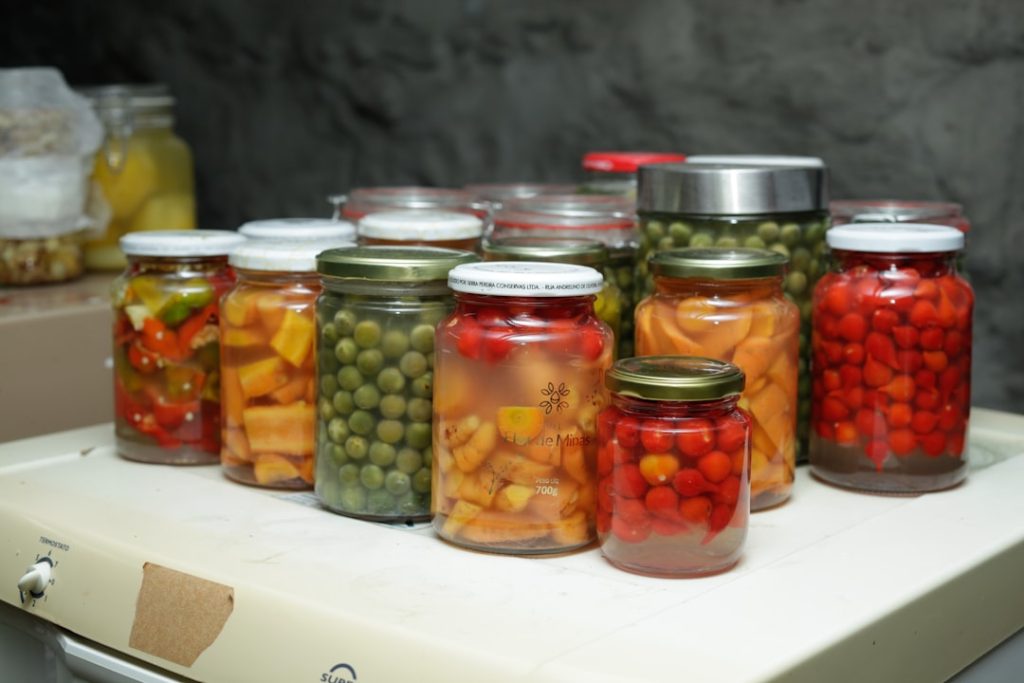
Photo by PROJETO CAFÉ GATO-MOURISCO on Unsplash