Why Your First Attempts at Meal Prepping Lead to Soggy Vegetables and Wasted Food
Disclosure / Affiliate Notice:
As an Amazon Associate I earn from qualifying purchases. Some links in this article may be affiliate links that earn me a commission at no extra cost to you.
After watching countless beginners abandon meal prep after their first disastrous week of mushy vegetables and separated sauces, I’ve become convinced that the real problem isn’t lack of motivation—it’s unrealistic expectations combined with fundamental misunderstandings about how food behaves over time.
Most people approach meal prep like they’re cooking for immediate consumption, then wonder why their carefully prepared meals turn into unappetizing mush by Wednesday. The truth is, successful meal prep requires a completely different mindset and skill set than regular cooking. It’s less about culinary artistry and more about food science.
The Science Behind Why Everything Goes Wrong
Here’s what most meal prep guides won’t tell you: the moment you cut into a vegetable, you’re starting a countdown timer. Those pristine cell walls that keep cucumbers crisp and tomatoes firm? You’ve just damaged them with your knife, releasing moisture that has nowhere to go except into your container, where it creates the perfect environment for texture destruction.
In my experience, beginners consistently underestimate how dramatically food continues to change after preparation. They imagine their Sunday prep work as hitting a pause button, when in reality, they’ve accelerated several natural processes. Proteins keep breaking down, starches continue absorbing moisture, and fruits keep ripening—all while trapped in sealed containers.
What makes this particularly frustrating is that temperature fluctuations compound these problems. Every time you open your refrigerator to grab something else, warm air rushes into your cold containers. When that warm air hits the cold surfaces, it condenses into water droplets that settle directly onto your food. Most people unknowingly sabotage their meal prep simply by checking on it too often.
Who Should Actually Attempt Meal Prep
Meal prep works brilliantly for people who understand its limitations and play to its strengths. If you’re someone who values consistency over variety, appreciates efficiency over perfection, and doesn’t mind eating the same well-executed meal several times, you’ll likely succeed.
It’s particularly valuable for individuals with unpredictable schedules who need grab-and-go options, or those trying to maintain specific nutritional goals where convenience trumps culinary excitement. People who meal prep successfully tend to be pragmatic about food—they’re more interested in fuel than entertainment.

However, if you’re a foodie who craves variety, someone who associates meals with relaxation and pleasure, or a person who gets bored eating similar foods repeatedly, meal prep might feel more like punishment than solution. There’s no shame in recognizing that your relationship with food doesn’t align with batch preparation.
The Timing Reality Most People Ignore
Here’s where most beginners go wrong: they treat all foods as if they have identical shelf lives. In reality, your leafy greens are already declining by day two, while your roasted root vegetables are just hitting their stride by day four.
I’ve learned that successful meal prep requires staggered preparation rather than marathon Sunday sessions. Prepare your grains and proteins early in the week when you have time, but add delicate vegetables and fresh elements closer to when you’ll eat them. This approach requires more planning but delivers significantly better results.
The protein timing issue deserves special attention because it’s subtle but important. Cooked chicken doesn’t spoil after three days, but its texture and flavor profile change noticeably. The proteins continue breaking down, creating a slightly different mouthfeel that some people find off-putting. Understanding this helps set realistic expectations about what meal prep can and cannot deliver.
Container Strategy That Actually Works
Most people choose containers based on aesthetics or price rather than functionality, then wonder why their food deteriorates quickly. The physics of food storage matter more than Instagram-worthy presentation.
Shallow containers promote better air circulation than deep ones, reducing moisture buildup. Wide surfaces allow condensation to spread out rather than pooling in concentrated areas. These aren’t minor details—they’re the difference between success and soggy disappointment.
What most people overlook is the importance of strategic separation. Keeping wet and dry components apart isn’t just about preventing immediate sogginess—it’s about controlling the rate of moisture transfer over several days. A small container of dressing can keep your salad crisp for five days, while mixing them together ruins everything by day two.

My Honest Assessment of Meal Prep’s Place
After years of experimentation and observation, I believe meal prep works best as a partial solution rather than a complete meal strategy. It excels at handling your weekday lunches or providing reliable breakfast options, but expecting it to revolutionize your entire relationship with food sets you up for disappointment.
The most successful meal preppers I know use it strategically for specific meals or situations rather than attempting to prep everything. They understand that some foods improve with time while others deteriorate, and they plan accordingly.
What strikes me as most important is recognizing that meal prep failures aren’t personal failures—they’re learning opportunities about food science. Every mushy vegetable teaches you something about moisture management. Every separated sauce reveals something about emulsification over time. These lessons compound into genuine expertise if you approach them with curiosity rather than frustration.
The key insight that transforms beginners into successful meal preppers is understanding that you’re not just cooking in advance—you’re engineering food systems that maintain quality over time. This requires different techniques, different ingredient choices, and different expectations than traditional cooking.
For those willing to learn these principles and work within meal prep’s constraints, it offers genuine convenience and consistency. For those expecting it to replicate the experience of freshly prepared meals, disappointment is inevitable. The choice depends on what you value more: convenience or culinary perfection.
Having the right storage containers designed for meal prep can make a significant difference in maintaining food quality throughout the week. Look for containers with proper ventilation and compartment separation to control moisture and prevent ingredient mixing. A practical example can be found here:
As an Amazon Associate I earn from qualifying purchases.
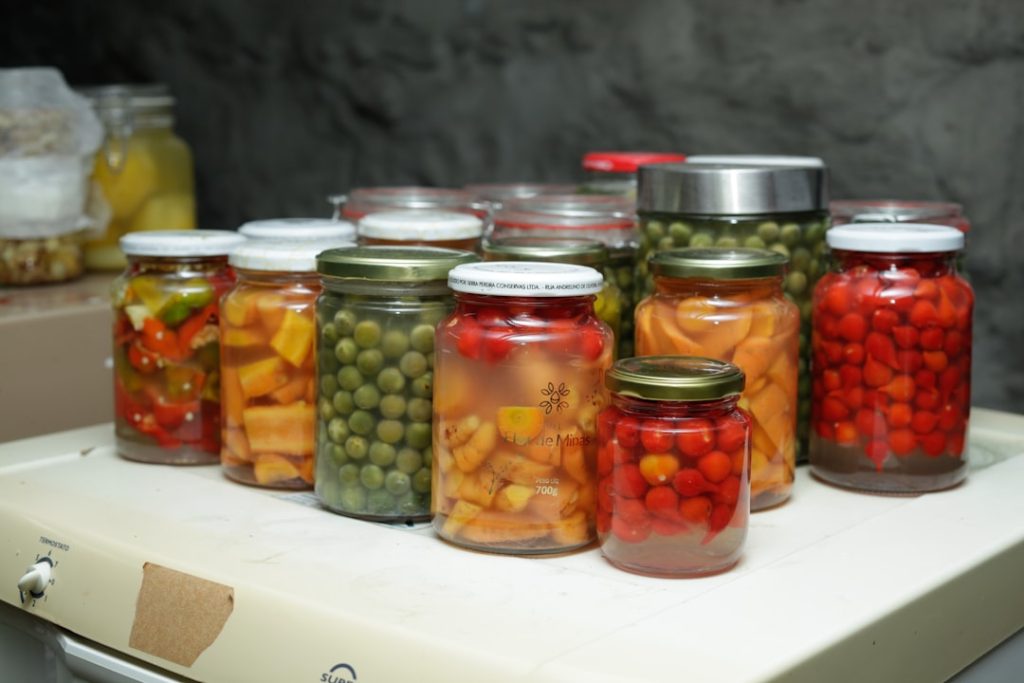
Photo by PROJETO CAFÉ GATO-MOURISCO on Unsplash